
Surgery Summary

SURGERY TIEME
2 - 5h

ANESTHESIA
General

HOSPITALIZATION
1- 2 Nights

RECUPERATION
1 week
Silicone or biopolymers are permanent fillers that have been widely used to augment lips, cheekbones, facial wrinkles, and even buttocks, legs, and arms. If this is your case, for very important health reasons, you need to have the biopolymers and silicone removed from your body as soon as possible. Here’s why.
More than 20 years ago, they were withdrawn from the market because it was observed that, over time, they caused more or less serious problems such as displacement, rejection, pain, inflammation, and even more serious problems such as necrosis and embolisms. This has created a new disease called “iatrogenic allogenosis.”
Very few plastic surgeons in Spain perform the operation to remove biopolymers and silicone from the body. Patients come to us from all over, even from abroad, because they cannot find a trustworthy and experienced center to go to. Estética Turan, in Barcelona, can help you. We have been removing biopolymers from our patients’ bodies for more than 30 years.
We say that it continues to be done because in some centres there are still doctors and non-doctors who continue to administer them illegally and unscrupulously, knowing that they will cause certain problems for patients.
Diseases that biopolymers can cause in the body
Biopolymers, synthetic substances often presented as the ideal solution for augmenting and shaping certain areas of the body, can trigger serious health consequences. Their use in cosmetic procedures has been highly questioned by experts due to the short- and long-term side effects they can cause in the body. In this article, we will explore in depth the diseases these compounds can cause and how to prevent these effects.
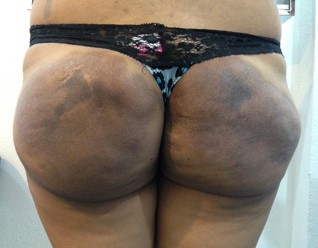
What are biopolymers?
Definition and composition of biopolymers
Biopolymers are synthetic or natural materials used in the medical and aesthetic industries for various applications. Although they can be biodegradable, in the aesthetic context, the biopolymers used are usually synthetic and, unfortunately, not very compatible with the human body. Their components include silicone-based polymers and other chemicals that are difficult to absorb.
Uses of biopolymers in cosmetic procedures
They have become popular in procedures for augmenting the buttocks, lips, and cheeks, promising long-lasting results without the need for invasive surgery. However, the lack of regulation and control in the application of these substances means that the risks far outweigh the benefits.
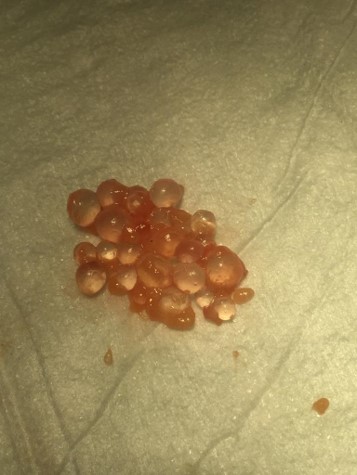
Risks of using biopolymers in the body
Short-term problems
From the moment biopolymers are applied, adverse reactions may occur in the body. Redness, swelling, and pain are some of the initial symptoms that may appear within a few hours or days of the injection.
Long-term complications
The most serious complications usually manifest themselves over time. Migration of the substance to other areas of the body, the formation of fibrosis, and the development of chronic infections are common problems in people who have undergone treatments with biopolymers.
Diseases and conditions caused by biopolymers
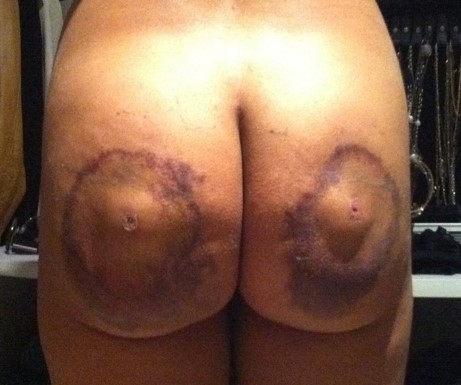
Persistent infections
Infections are one of the most feared effects of biopolymers. These infections are often resistant to conventional treatments because the body cannot eliminate the foreign particles. This requires constant medical intervention and long-term treatment.
Fibrosis and encapsulation
The body tends to react to foreign bodies by creating capsules of fibrous tissue around them. This process, called fibrosis, not only deforms the treated areas, but also causes chronic pain and limits movement in severe cases.
Tissue necrosis
Tissue necrosis or death occurs when biopolymers block blood flow in specific areas. This is one of the most dangerous effects, as the lack of oxygen in the tissues can lead to irreversible damage, requiring the surgical removal of large portions of skin and tissue.
Migration of substances
One of the most common problems is the migration of biopolymers to other areas of the body. This occurs because these substances are not absorbable and tend to move, which can cause deformities in unwanted areas.
* Consequences of migration in other parts of the body
When biopolymers move to areas such as the abdomen or legs, they can cause severe pain, inflammation, and other serious side effects. This further complicates treatment, as it is difficult to remove the substance completely.
Severe allergic reactions
In some cases, patients develop severe allergic reactions due to the composition of biopolymers. These reactions can include difficulty breathing, generalised swelling and, in extreme cases, lead to anaphylactic shock.
Diagnosis of complications caused by biopolymers
The most commonly used substances have been and continue to be: silicone, paraffin, liquid petrolatum, petroleum jelly, mineral or vegetable oil, animal fat and methacrylate. A large percentage of patients are unaware or are not informed of the material being injected, as injections are often administered in unaccredited centres.
* Initial medical assessment
If complications from biopolymers are suspected, the first step is to conduct a thorough medical evaluation. An experienced professional will be able to determine the severity of the case and propose the most appropriate treatment.
* Imaging tests and accurate diagnosis
Imaging tests, such as ultrasounds and MRIs, are essential for locating biopolymers and assessing the damage caused. These tests enable precise and safe removal procedures to be planned.
Treatments available for diseases caused by biopolymers
Biopolymer extraction procedures
The extraction of biopolymers is a complex process that requires experience and precision. There are several techniques, with surgical and ultrasound techniques being the most common.
* Surgical techniques
Surgical removal involves the direct removal of the substance. Although effective, it can be invasive and leave noticeable scars.
* Ultrasound techniques
Ultrasound is a less invasive technique that uses high-frequency waves to break down biopolymers and facilitate their removal. However, this method is not effective in all cases and requires multiple sessions.
Treatment of infections and inflammation
Antibiotics and anti-inflammatory drugs are used to control infections and inflammation. However, in many cases, treatment must be repeated due to the resistance of infections caused by biopolymers.
Management of scars and skin damage
After extraction, it is essential to care for the affected skin to reduce scarring and promote proper healing. Treatments include the use of creams, lasers, and dermabrasion techniques.
Prevention: How to avoid the effects of biopolymers
Education and awareness in aesthetics
Before undergoing any cosmetic procedure, it is crucial to do your research and consult with certified professionals. Avoiding unregulated centres and procedures that are not backed by science is the best prevention.
Safe alternatives to biopolymers
There are much safer alternatives to biopolymers, such as hyaluronic acid and approved silicone implants. These options offer better results and fewer long-term risks.
Conclusion
Biopolymers, although promising quick and affordable aesthetic improvements, are one of the most dangerous substances for the body. The diseases and complications they can cause are numerous and, in many cases, difficult to treat. Choosing safe alternatives and avoiding procedures in unregulated centres is vital for long-term health and well-being.
PATIENT PROFILE
People who experience complications with adverse results due to the infiltration of biopolymers or other substances.
People who wish to remove biopolymers and silicone before problems arise.
PROCEDURE
It consists of the removal of biopolymers and silicone with Lipo Laser or open surgery.
Sometimes combined procedures are required depending on: the area to be treated, the amount placed, and the problem it causes at the muscular, subcutaneous, or superficial (skin) level.
INTERVENTION DURATION
- Depending on the area to be treated, between 2 and 5 hours
PROTOCOL
Preoperative
- Evaluation of the area to determine the appropriate treatment
- Follow specific guidelines determined by the doctor
- Blood tests and cardiological and respiratory tests, if necessary
Anesthesia
- Local and sedation if desired by the patient or general depending on the area to be treated
Hospitalisation
- Outpatient if for small volumes on the face (lips, cheekbones and cheeks)
- 1 to 2 days’ admission for large volumes (breasts, arms, buttocks or legs)
Postoperative
- Medication if required: antibiotics, analgesics and anti-inflammatories
- Mandatory check-ups after a few days, weeks or months, depending on the surgery performed
Convalescence
- 2 to 6 days, depending on the amount of product removed and the area of the body
- Recovery is virtually painless except for large volumes in the buttocks and legs, which may require more rest and sometimes two surgical procedures: one to extract and another to repair. Similar to breast cancer reconstruction.
RESULTS
- Very rewarding, highly appreciated by patients
- Recovery of natural appearance
- Improves the patient’s psychological profile and self-esteem
DEGREE OF DIFFICULTY
- Simple procedure on the lips and buttocks due to the surgical team’s experience in these biopolymer removal techniques
- Complex if large areas or areas close to nerve endings or blood vessels are affected
LEVEL OF RISK
- Low risk if performed by an experienced specialist
- Risks inherent to biopolymer removal, such as bleeding, infection or impaired healing. Sometimes long scars or even skin grafts must be left behind
Before and after photos of biopolymer removal from the buttocks
Before and after photos of biopolymer removal from the lips
Frequently asked questions (FAQs)
Which parts of the body are most affected by biopolymers?
The most commonly affected areas are the buttocks, thighs, and lips, where they are often applied to add volume.
Are there safe alternatives to buttock augmentation?
Yes, silicone implants and hyaluronic acid are approved options with fewer risks.
How much does biopolymer extraction cost?
Costs vary depending on the complexity of the case and the technique used, but it is usually an expensive procedure.
Is it possible to completely eliminate biopolymers from the body?
In some cases, it is difficult to remove them completely, especially if the substance has migrated.
How do I know if I have biopolymers in my body?
Only a professional can diagnose it with imaging tests and a detailed medical evaluation.